
MATT Construction Completes Seismic Phase 4 at the Hammer Museum
A years-long seismic retrofit wraps up quietly — the way it started.
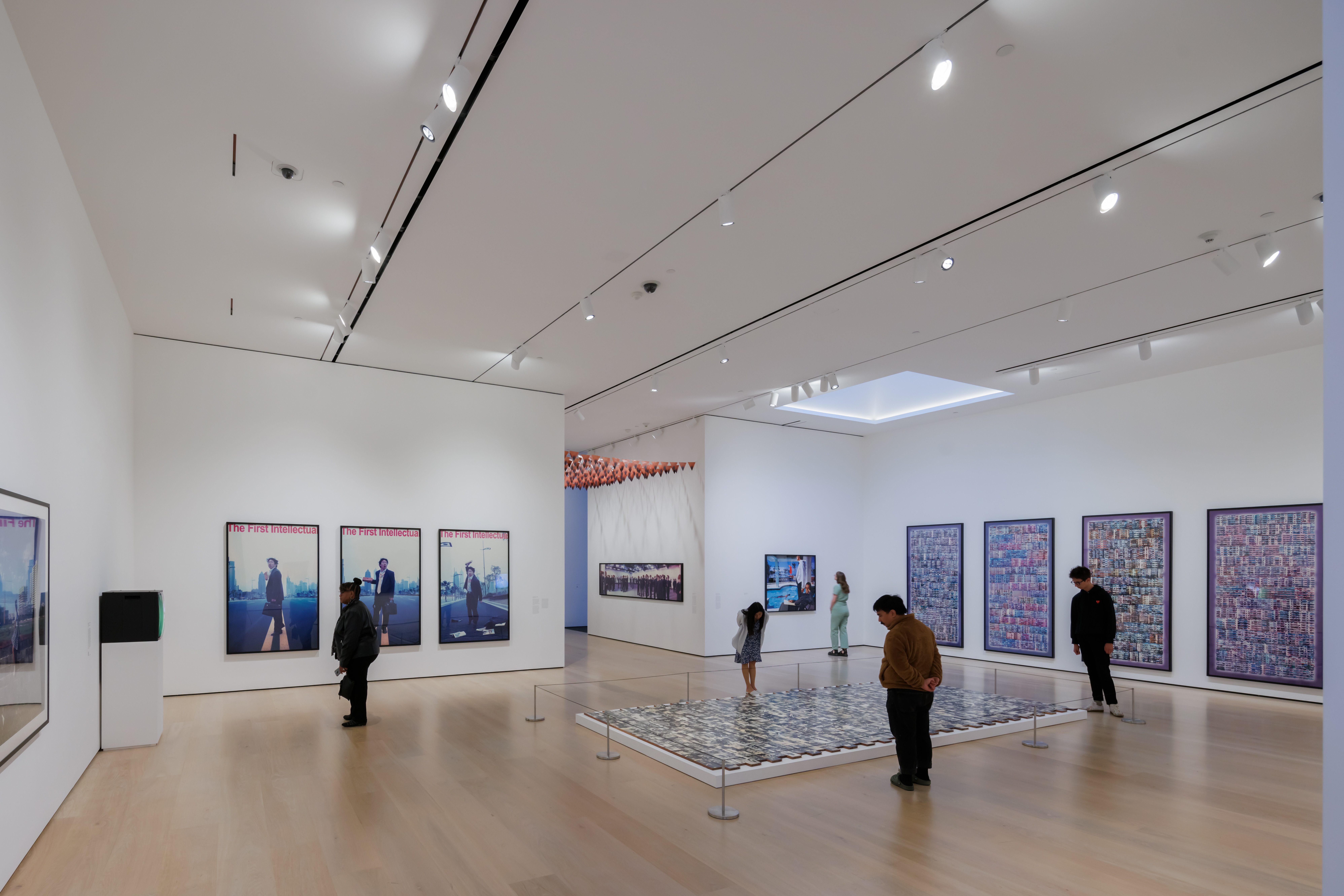
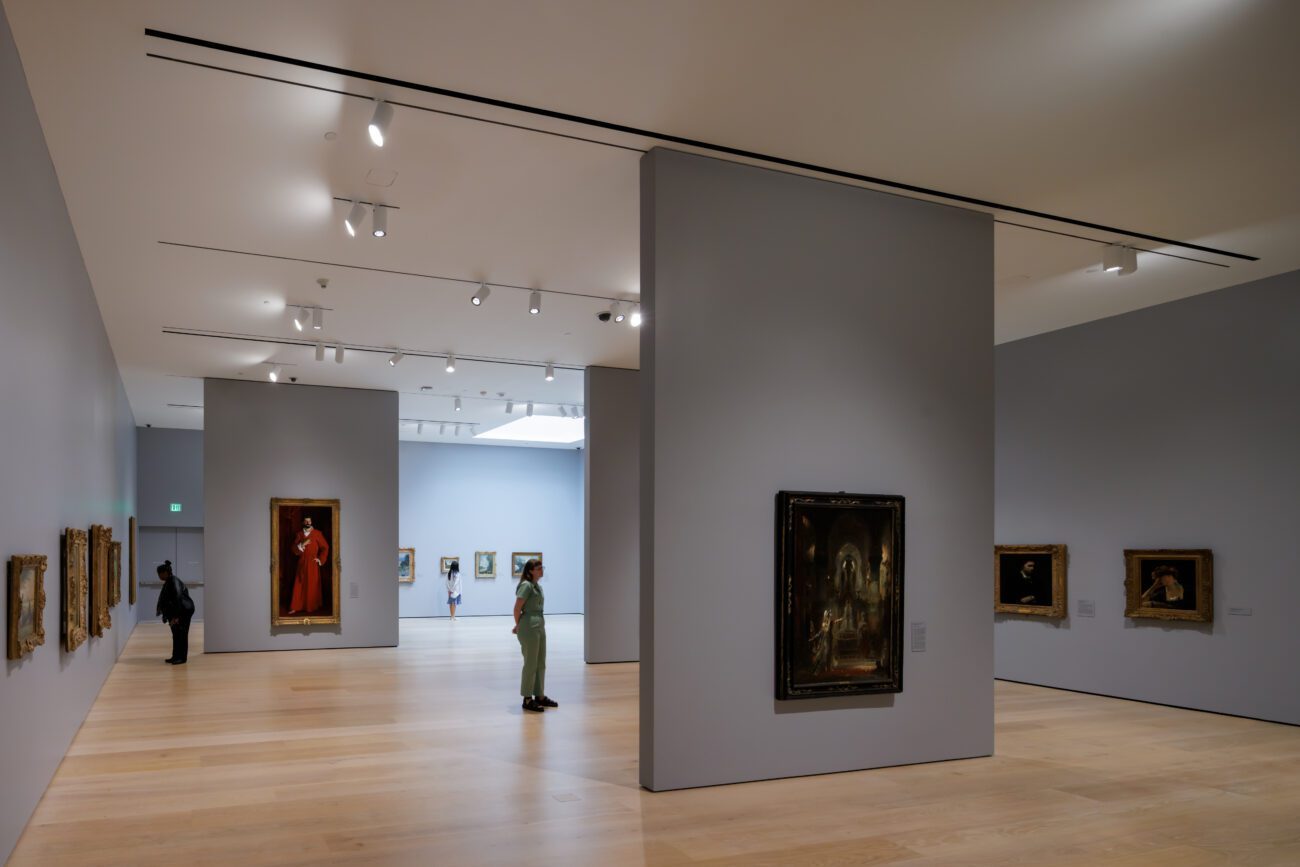
For nearly six years, MATT Construction has worked inside the walls of the Hammer Museum’s 16-story tower on Wilshire Boulevard without ever closing its doors. The MATT team has just completed Phase 4 of the renovation project, bringing the final chapter of the museum’s upgrades to a close. The project has now reached substantial completion, a milestone the team has been building toward since 2019.
Phase 4 of the project brought the Wilshire Boulevard tower up to a higher seismic standard: installing steel and concrete moment frames at the building’s east and west ends, reinforcing concrete pilasters around the elevator shafts and exterior windows, and adding stiffening plates to the building’s structural steel column splices.
Though it was intensive work, it had to remain invisible to guests, because it was carried out in an open and operating museum. Consequently, the entire retrofit was performed at night, ensuring the museum’s daily operations were never disrupted. The real coordination lived in the dozens of intermittent electrical, mechanical, plumbing, and fire-water shutdowns, each requiring the team to reroute the building’s critical systems and bring everything back online before the museum opened the next morning, presenting the biggest challenge for the team.
The team’s first major electrical shutdown became a defining lesson. “We had to shut down all the emergency power for the building, which had a lot of other run-on effects,” Project Manager Kyle McCormick recalled. “It was a lesson learned, because what we tried to do was too much in one night.” The attempt turned into a 21-hour emergency push by the on-site electrician to restore power (timed fortunately for a Monday, when the museum is closed). “Luckily the museum didn’t have anything going on, and we worked around the clock to return power.” From there, the team recalibrated its pace, and the next twenty electrical shutdowns went off without incident.
Getting there took constant coordination. Regular shutdown-planning meetings brought together MATT, the Hammer Museum team, and UCLA Facilities to map out each night’s priorities: what needed to happen, what needed to be ready, and what it would take to bring everything back online by morning. “Everyone had to come together,” McCormick said. “We had regular shutdown coordination meetings where we talked about what was going to be focused on each night, whether it was a plumbing system or an electrical system, and what the UCLA team, the Hammer Museum team, and our subcontractors would need to do to prepare so that when we flipped the switch, we could maximize our time and get as much done as possible.” It is that discipline that enabled the team to make the most of their limited working hours without ever compromising museum operations.
Looking back, McCormick points to the coordination itself as the achievement that he is proudest of: “The MEP coordination and shutdowns, and the complete gutting and rerouting of all the building systems around the seismic project and doing that with a relatively seamless transition and minimal impact to the building operations team and the museum operations team, was probably the most complicated part of the job.”
The results speak for themselves: a retrofitted building that meets the state’s seismic requirements completed while keeping the Hammer Museum open and accessible to the public throughout construction.
“This was the last piece of Hammer Museum contract work we’ve done on site. We’ve been there longer than I’ve been with the company,” said Kyle McCormick of MATT Construction. “It’s the end of a long partnership — or at least a pause in one.”
Congratulations to the entire team who saw Seismic Phase 4 through to completion!